
Local and on-device · 8 November 2026
A small llama.cpp change tackles a hidden detour through the CPU
A new GPU calculation path shows why local-model speed depends on software support, not only the chip.
Who it affects
Developers testing local models with NVIDIA graphics processors, especially contributors working on Zamba2 support. Ordinary chat users do not need to install a development build for this change.
Why it matters
Buying a faster graphics processor does not help a calculation that the software sends back to the computer’s main processor. A small missing implementation can become the slow part of an otherwise accelerated workflow.
What happened
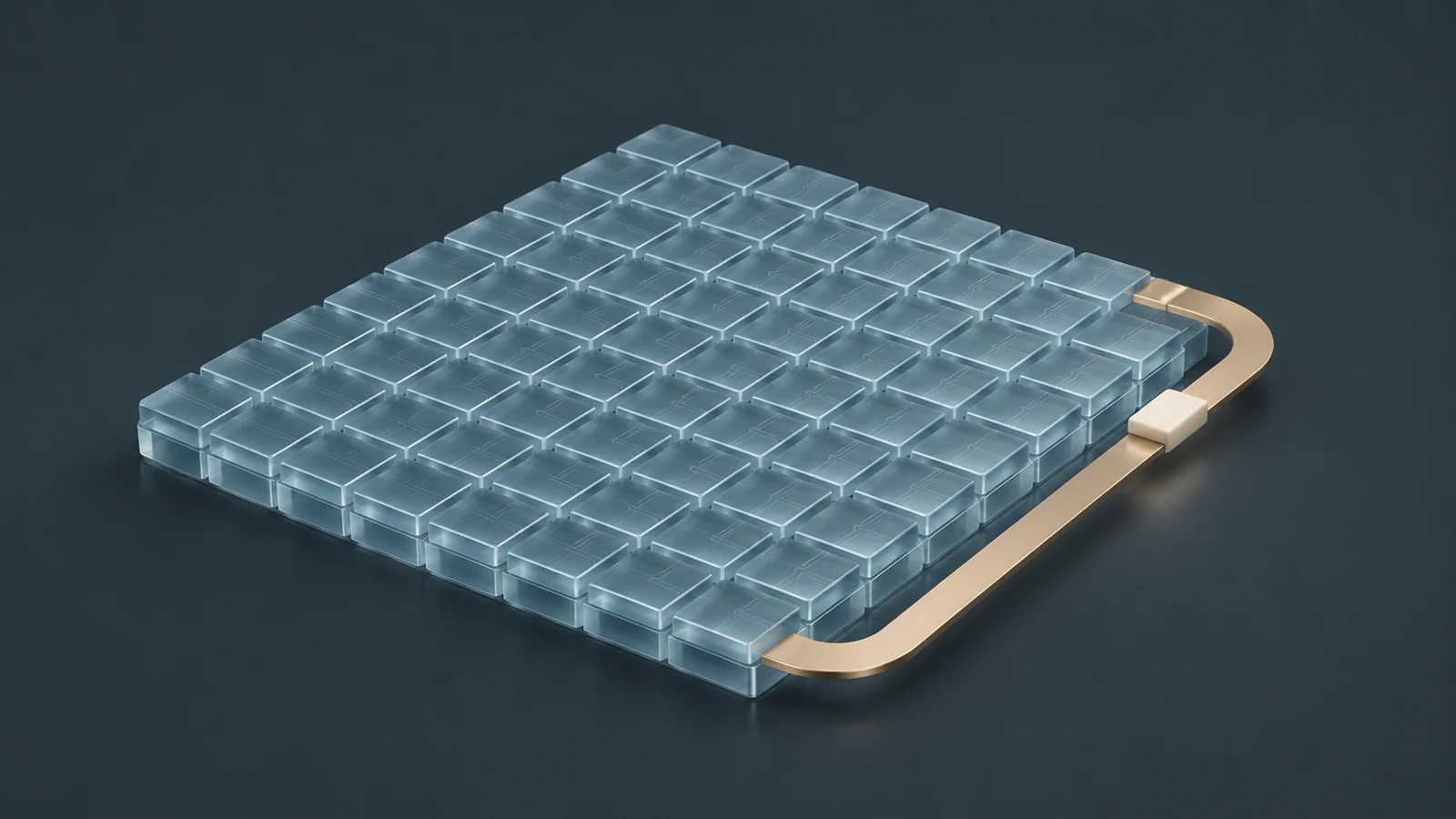
On November 8, llama.cpp merged a new CUDA calculation path and included it in the b12207 prerelease. llama.cpp is software that runs models on local hardware; CUDA is the interface used for NVIDIA graphics processors. The change handles a state size of 64 in a recurrent calculation, a step that repeatedly updates the model’s working state. Previously, that size missed the existing GPU paths and sent work to the CPU instead.
The contributor reports generation moving from about 11 to 15.1 tokens per second in a Zamba2-7B-Instruct test, while some operations still returned to the CPU. These are contributor measurements, not our tests or a speed promise for other models. The linked Zamba2 architecture-support proposal remains open, so the merged calculation patch must not be mistaken for a finished, generally available Zamba2 integration.
For someone deciding whether to investigate a slow local setup, the lesson is to check where the work runs before concluding that the model or hardware is inherently slow. For everyone else, this is a development milestone to watch. The useful next milestone is complete model support with reproducible results on a clearly specified machine.
What to do with it
- Enterprise
Keep experimental runtime changes in a test environment and require complete model support before promoting them.
- Small businesses
Ask a technical helper to identify the slow stage before purchasing a larger machine.
- Individuals
If your current local app works, watch for its supported update rather than installing a prerelease solely for a benchmark.
Why the same hardware can give different results
A local model asks its runtime to carry out many calculations. The runtime chooses implementations that support the operation and its dimensions. If one important shape is missing, the job can alternate between processors rather than staying on the faster route. Improving that route changes execution, not the model’s learned knowledge.
This distinction is useful when reading an update: support for one calculation, support for a complete model, and a polished app experience are three separate milestones. This release advances the first. The open model-support proposal is a reason to keep the other two questions open.
A simple timing check
Hypothetical example: a local job spends 30 seconds generating text and another 30 seconds loading, reading and reviewing. Cutting generation to 20 seconds would reduce the whole job from 60 to 50 seconds, not halve it. That example is arithmetic, not a benchmark of this patch.
A fair test would keep the model files, prompt, output length and hardware fixed, then record the runtime version and any fallback messages. Without those details, a faster-looking reply could come from a shorter answer or a different setup.
Terms to know
- CPU fallback
- A calculation returning to the main processor when the intended accelerated path is unavailable.
- GPU kernel
- A small computation implemented to run on a graphics processor.
- Prerelease
- A development build offered before a stable release; availability alone does not establish readiness for daily work.
What the sources show
- Confirmed
The merged patch adds a CUDA path for state size 64. Its contributor reports 11 to 15.1 tokens per second in one test; the separate Zamba2 architecture proposal is still open.
- What may follow
The improvement may help supported workloads that use this calculation. Its effect on a particular app requires a matching, reproducible test.
- What is not established
This patch does not establish general Zamba2 availability, a speed-up for all local models, or a reason for everyone to upgrade hardware.